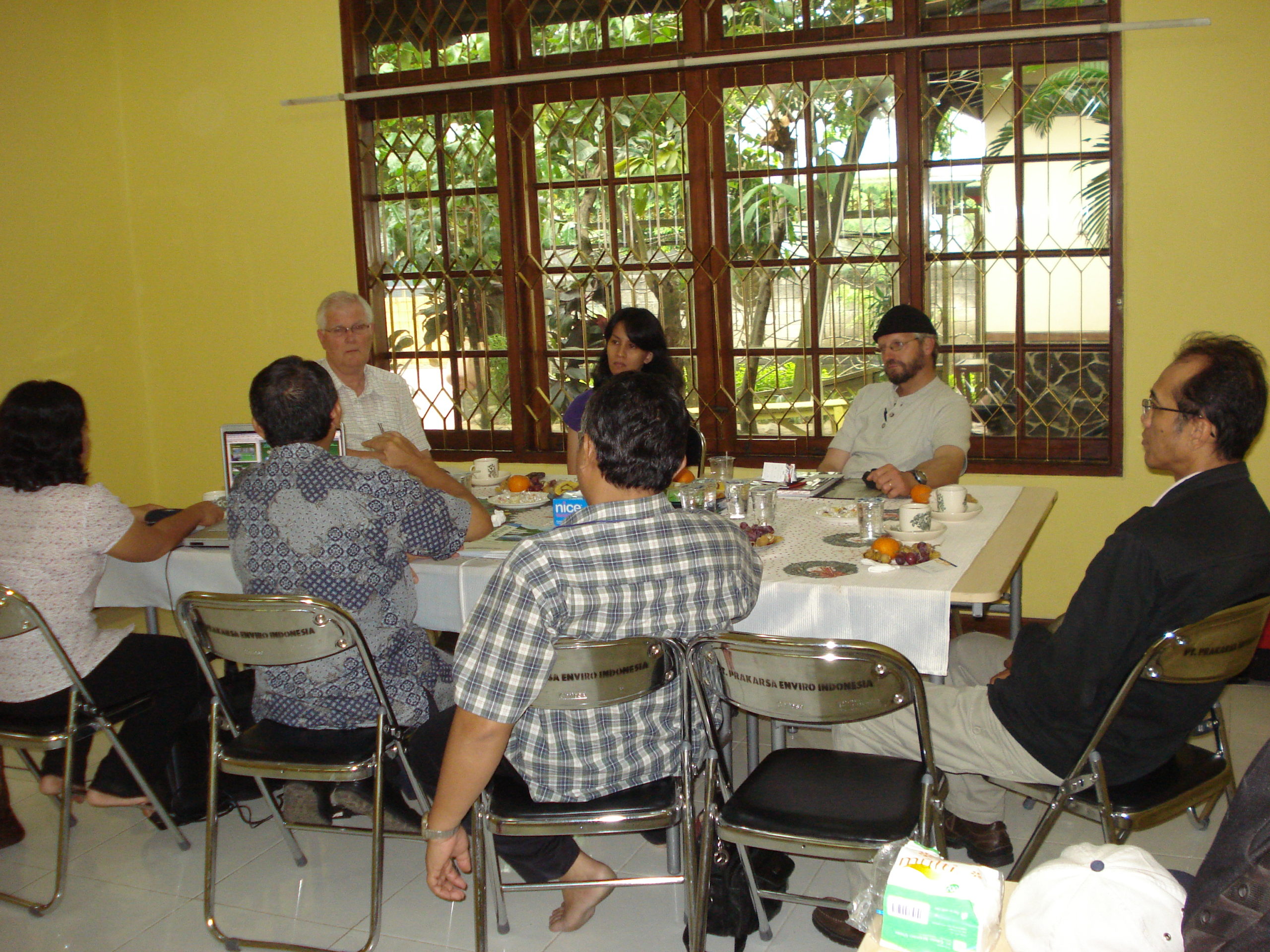
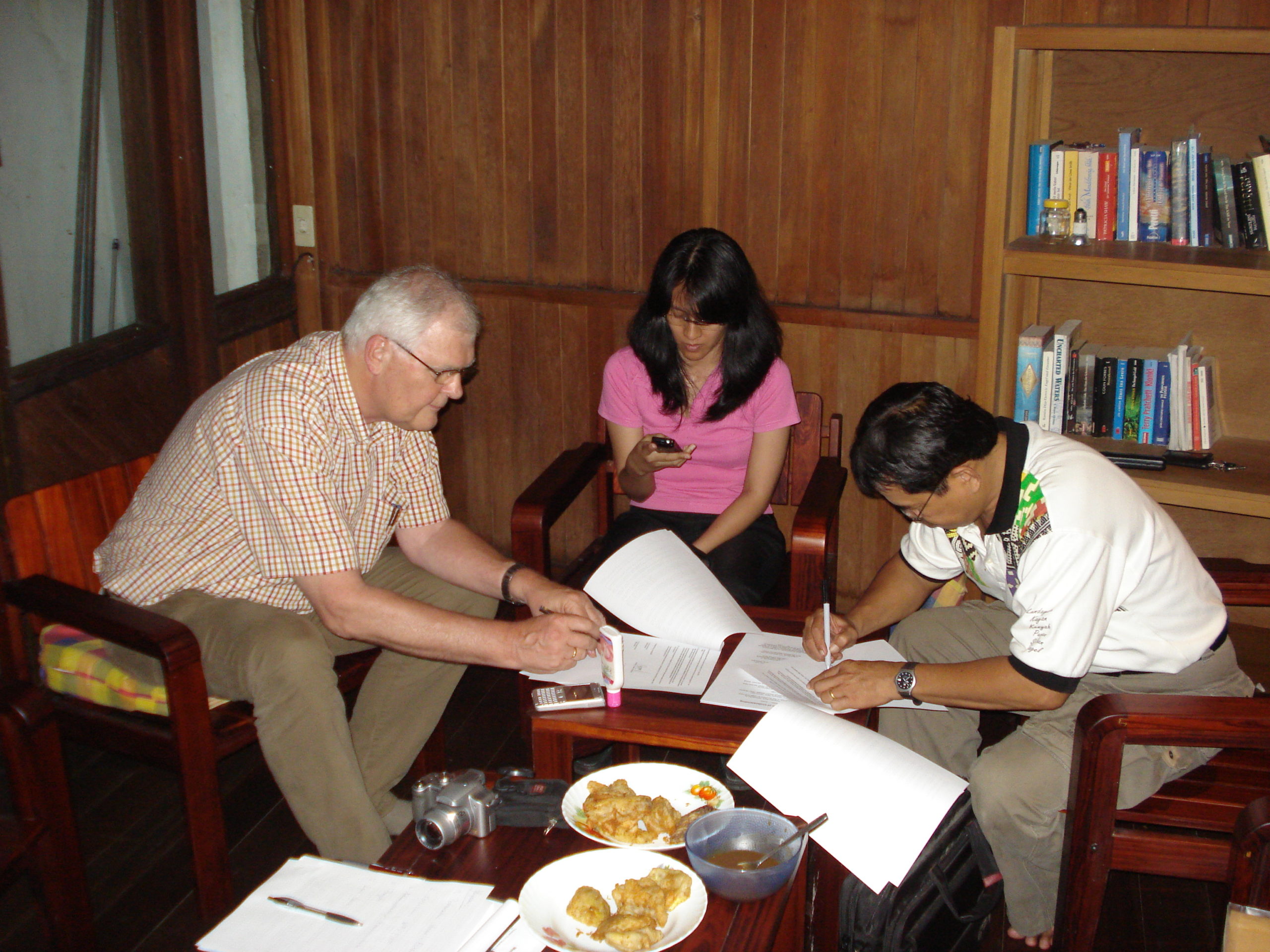
Sustainable and controlled tourism is a very interesting form of economic development. The Eco Hapakat Foundation played a leading role in establishing a DMO (Destination Management Organization) in the field of ecotourism for the province of Central Kalimantan. From 2018 to 2019, the Eco Hapakat Foundation hired a young tourism expert from Indonesia who had studied at the University of Konstanz in Germany. He compiled a list of all stakeholders in the tourism sector and regularly invited them to meetings and events.
The goal would have been to create a common promotional platform for tourism so that potential customers and guests could find all the necessary information through a single gateway.
This DMO would also have adopted the standards for the certification of tourism businesses, training, and quality assurance.
Unfortunately, the project failed due to the outbreak of COVID-19. Due to the protective measures, the restrictions on travel, and the closure of borders, the project could not be fully implemented.
After the COVID-19 protective measures were eased, it took years for tourism to slowly begin to recover, and today, in 2025, we are still far from pre-COVID-19 visitor numbers.
The project is on hold and could be restarted at any time with sufficient funding.
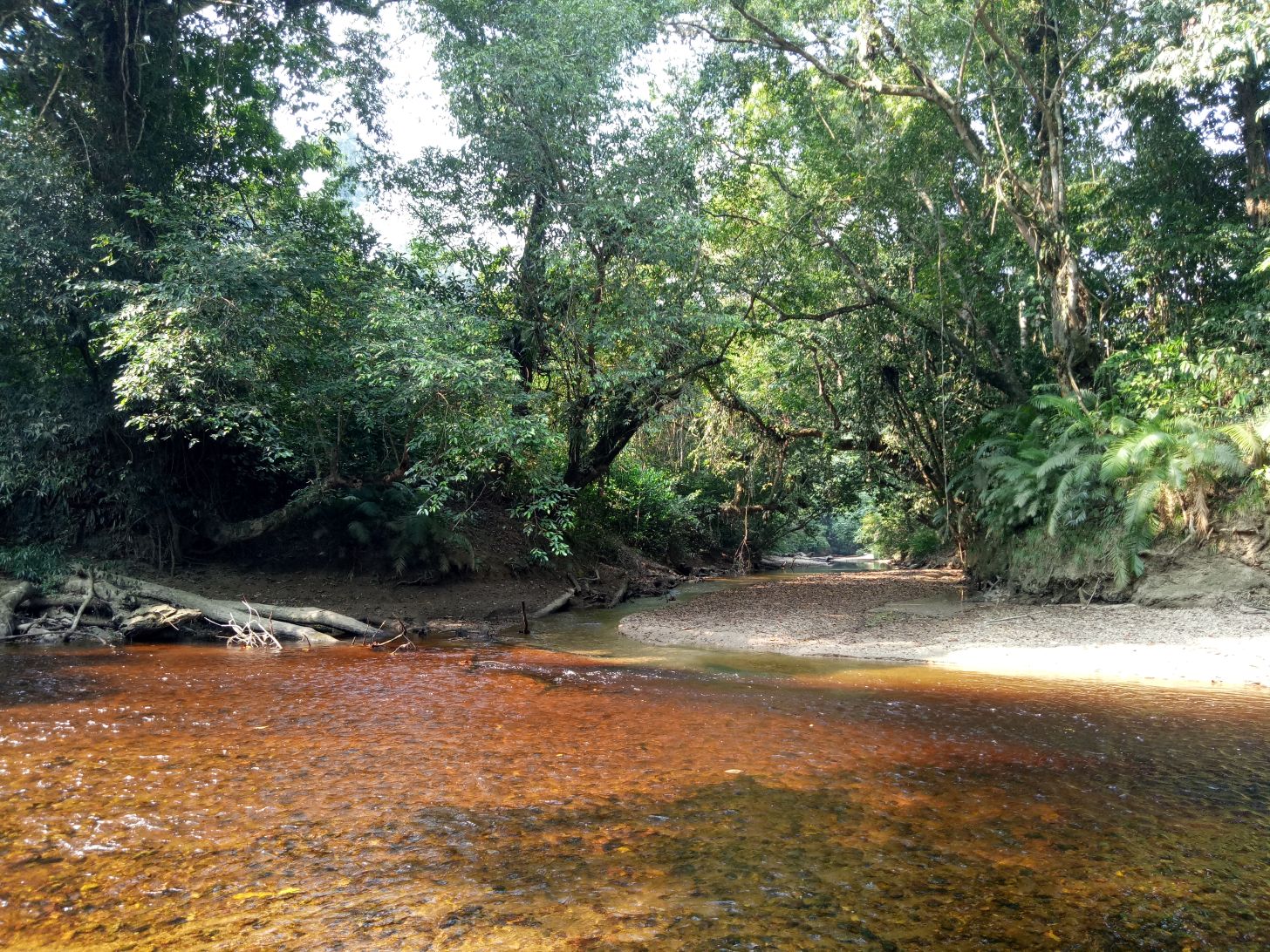
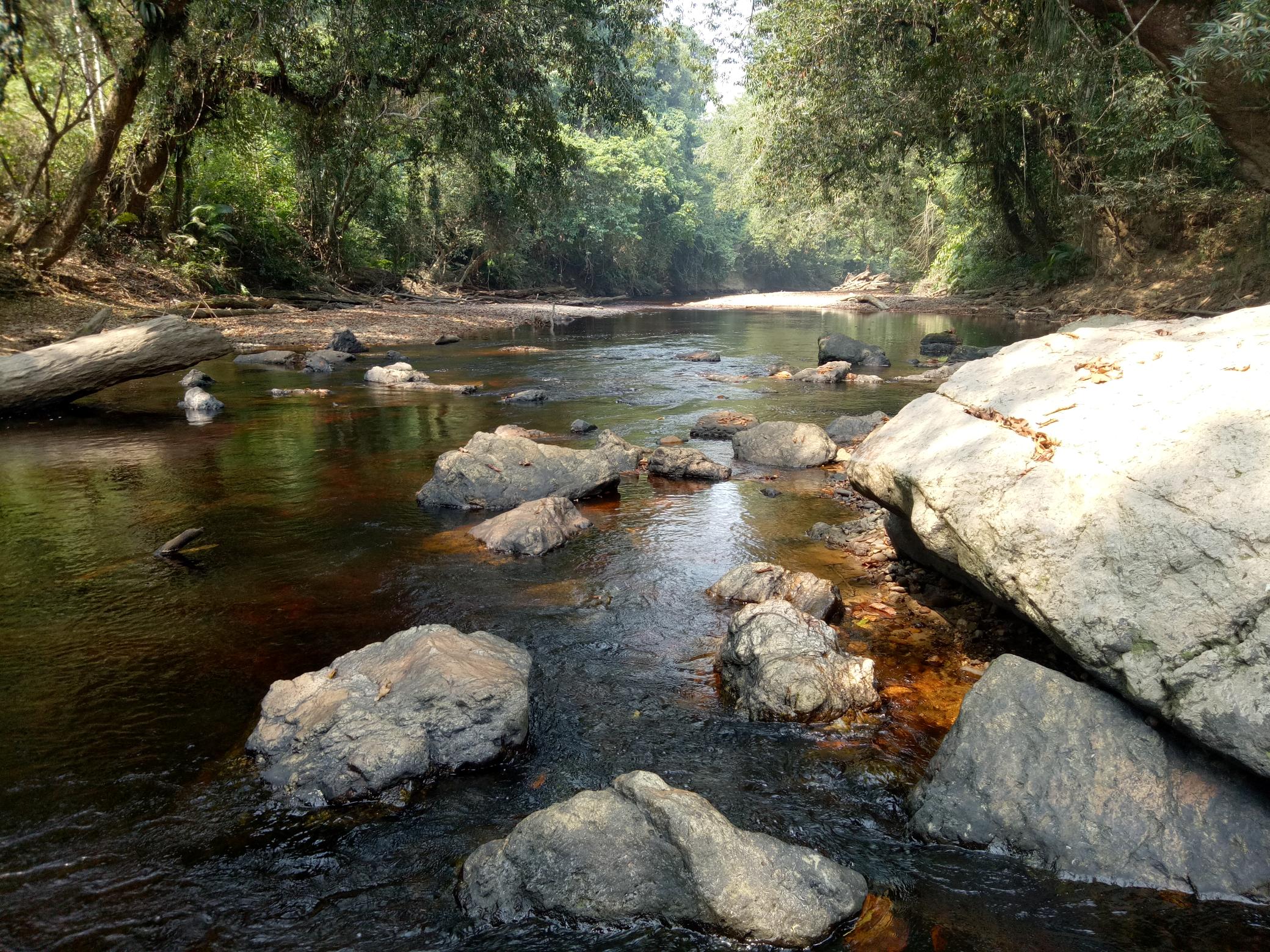
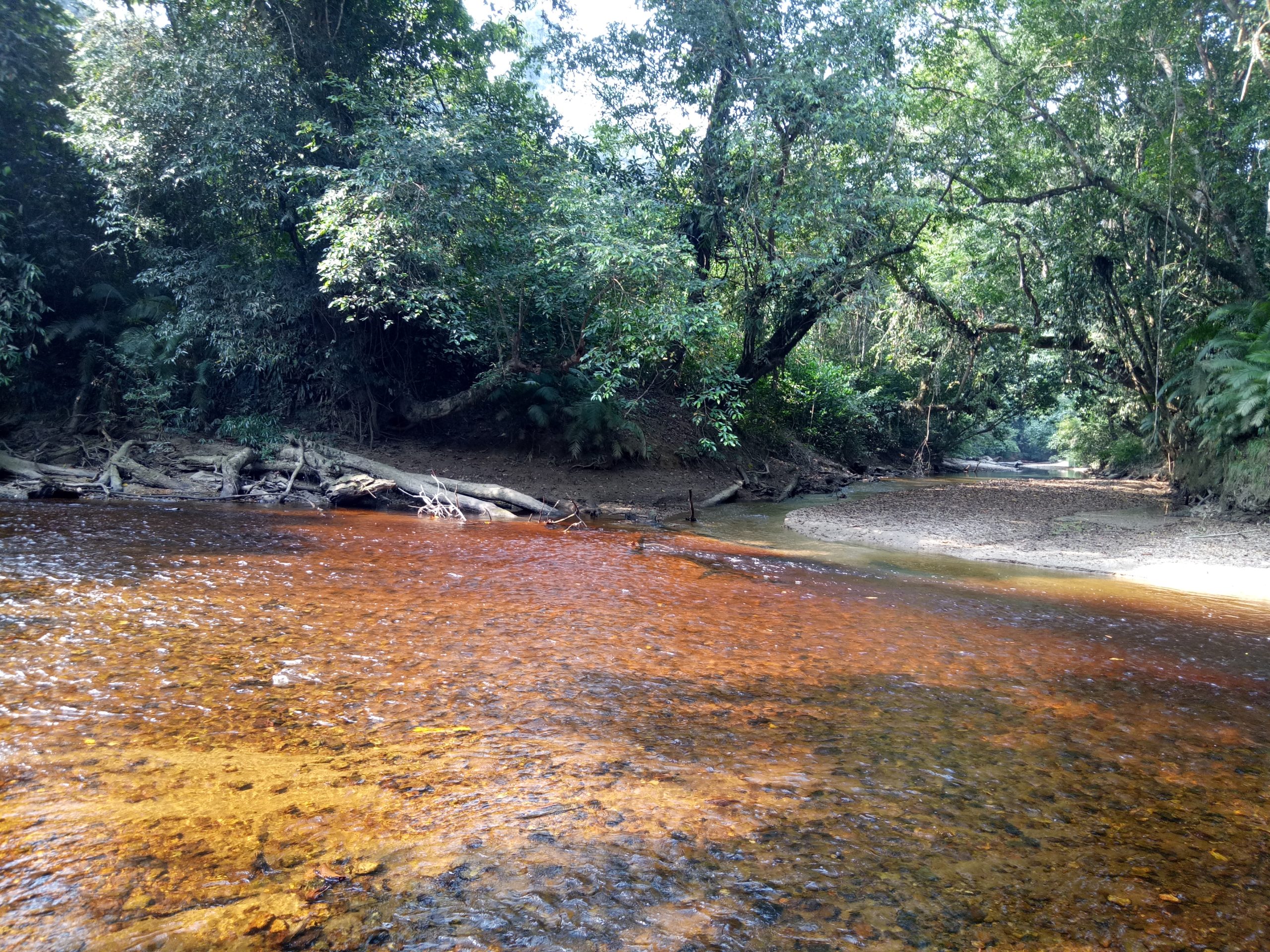
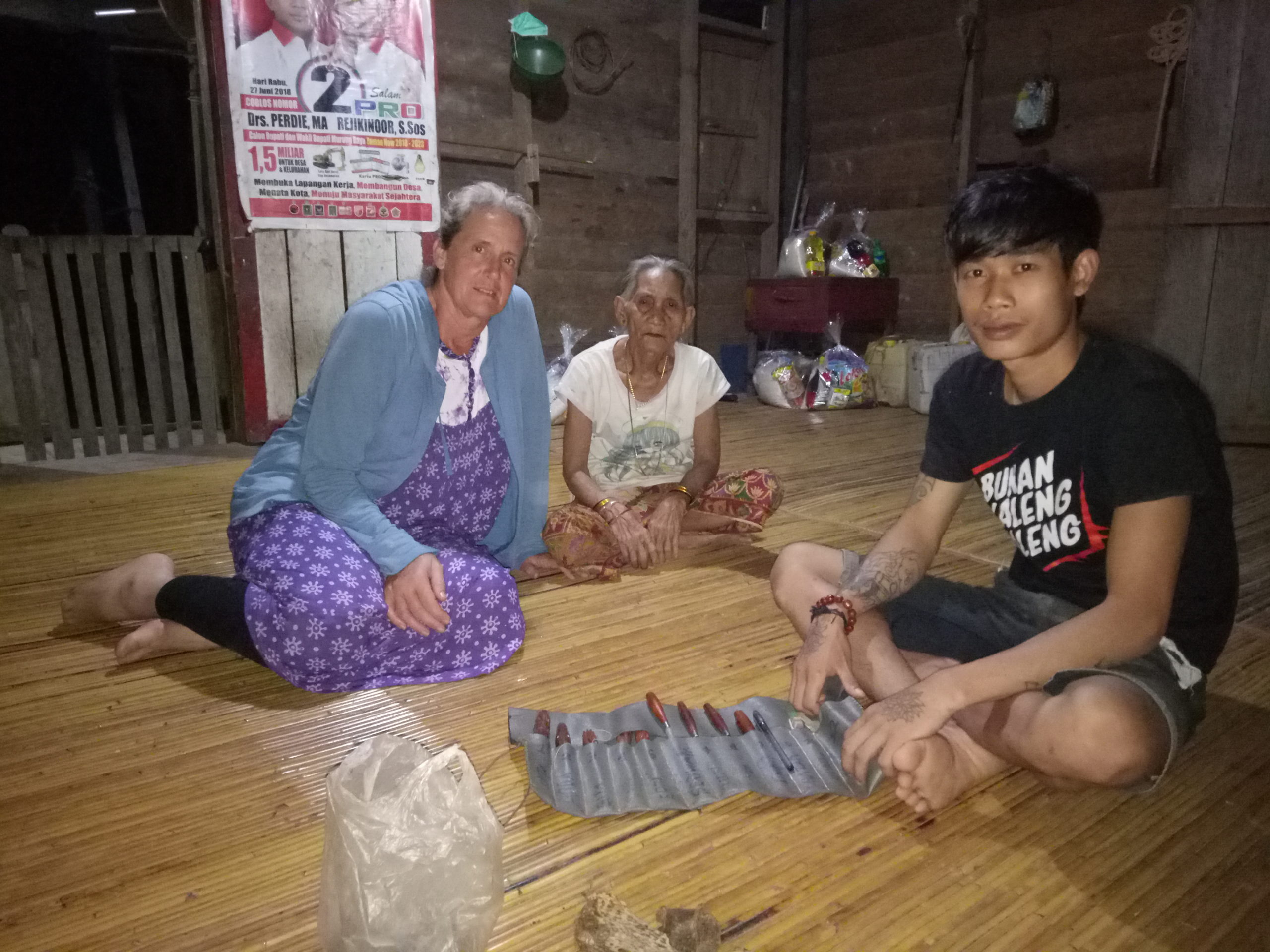
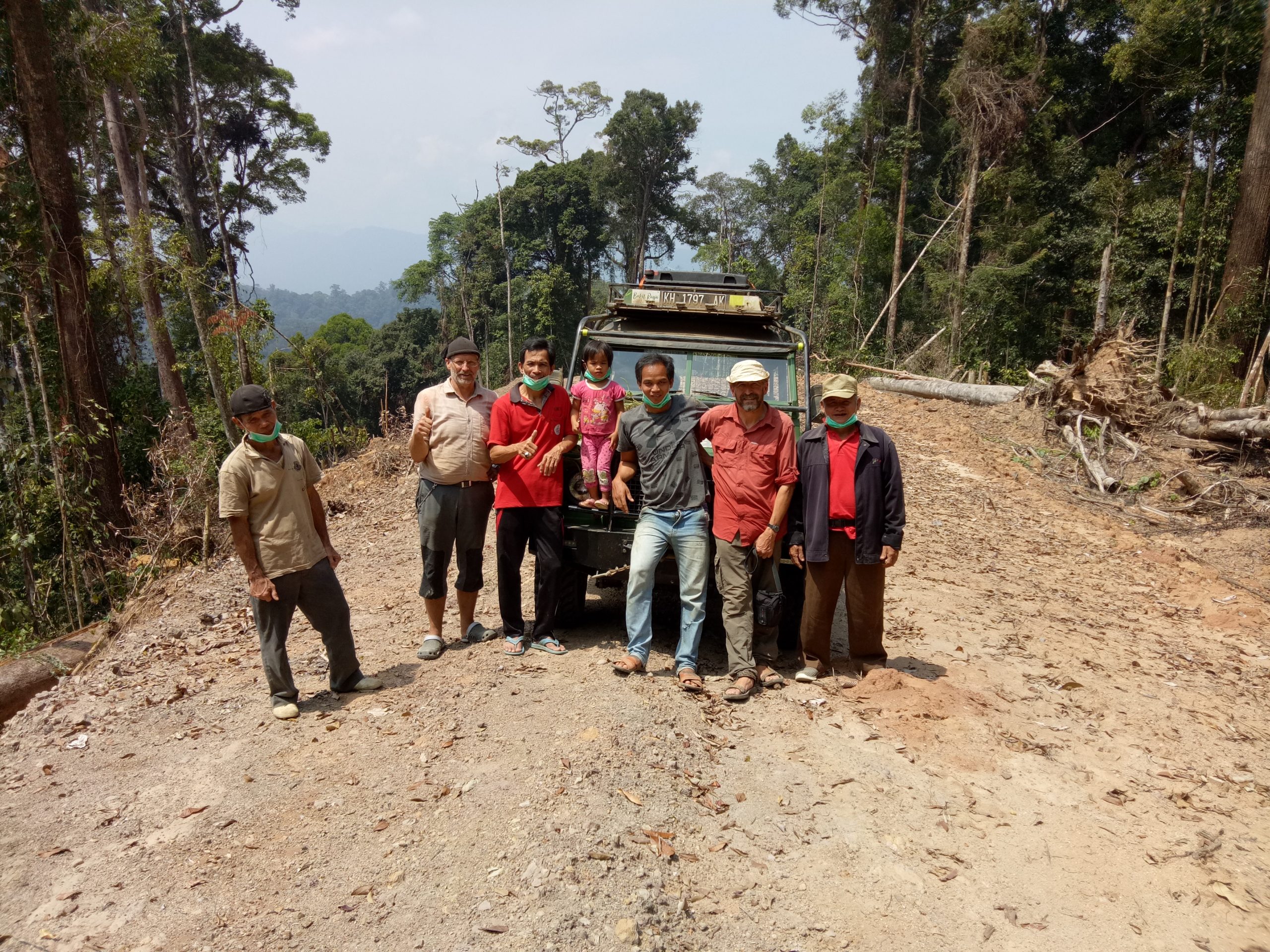
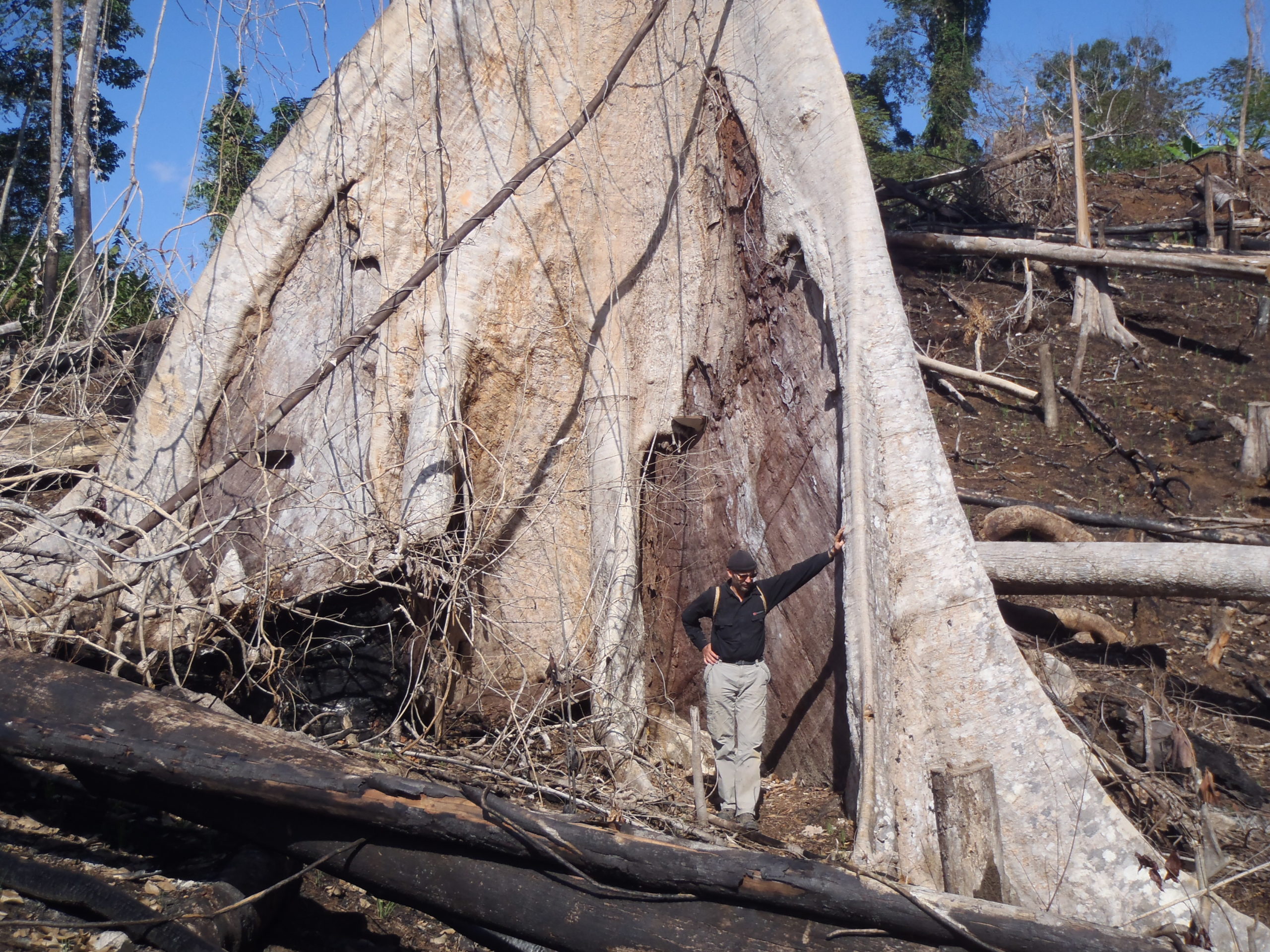
In the meantime, we promote Eco Tourism via Bukit Raya Guesthouse & Tours. Through sustainable, emission-optimized tourism, we aim to introduce visitors from around the world to the fascinating history of the indigenous Dayak people and bring them closer to the tropical rainforest; at the same time, by highlighting contrasts, we seek to spark a broad discussion regarding the use of natural resources. After all, we all live in a globalized world, and the use of natural resources is a matter that concerns us all. Issues and solutions are rarely black and white! We must work together to develop ideas for solutions, refine them, and—where possible—put them into practice. To achieve this, we need to engage with one another as equals, jointly consider potential sustainability scenarios, and act accordingly.